


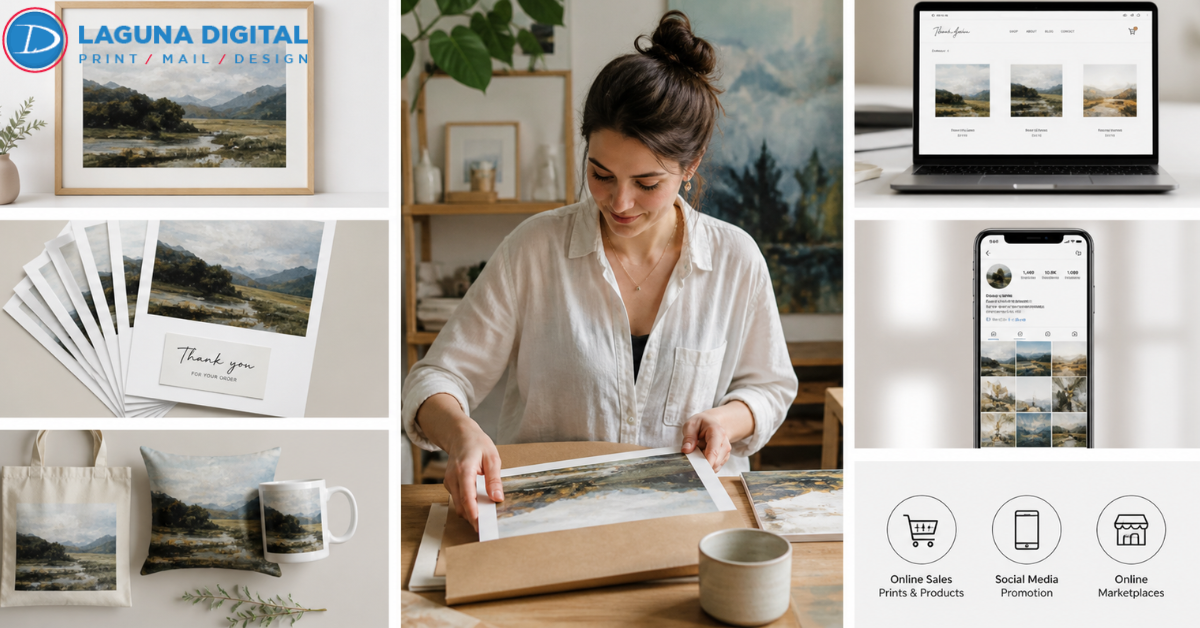
Modern creative practitioners are experiencing a major shift in how they earn from their work. Artists no longer depend on one time sales to build income. Instead they are developing scalable systems where their work can exist across multiple platforms while maintaining artistic identity and long lasting value. This transformation is strongly connected to the rise of reproduction in art, which allows creators to expand reach without losing originality.
Today the creative economy encourages artists to think beyond traditional roles. Many now operate like entrepreneurs, building structured income streams instead of relying only on physical originals. Through scalable reproduction models, they can reach global audiences, generate passive income, and maintain full control over their artistic direction.
The rise of reproduction in art has become especially important in recent years in the United States where digital art demand continues to grow rapidly and consistently across online platforms and collector communities.
Understand the Modern Art Market
Evolution of Creative Ownership
Over time the idea of owning art has changed significantly. Collectors once focused mainly on original pieces but today audiences are more open to different formats and accessible versions. Digital platforms have made it easier for artists to distribute their work globally which has also influenced the rise of reproduction in art as a widely accepted creative practice.
Collection Demand for Accessibility
Modern buyers prefer accessible art that still carries emotional depth and visual appeal. This shift has created strong demand for structured formats that balance affordability and creativity. Many artists now depend on art reproduction prints to make their work available to a broader audience while preserving artistic value and exclusivity in originals.
Pricing Structures of Art Sales
Pricing artwork today requires strategic planning. Artists must consider format quality, licensing rights, and distribution methods when setting value. Many professionals create layered pricing systems that include originals, limited editions, and scalable copies. This approach helps them maximize income from a single creative idea while reaching different buyer segments effectively.
Artistic Authenticity
Authenticity remains essential in the art world even when work is reproduced. Clear labeling and transparency help maintain trust between creators and buyers. Collectors appreciate knowing what they are purchasing while still valuing the original artistic vision behind each piece and its creative journey.
Digital Transformation
The internet has completely changed how art is discovered and shared. Social platforms, online galleries, and digital marketplaces allow artists to reach global audiences instantly. This shift has also increased demand for art reproduction services that support consistent quality and distribution across both digital and physical environments.
Monetization Strategies for Artists
Licensing Creative Artwork
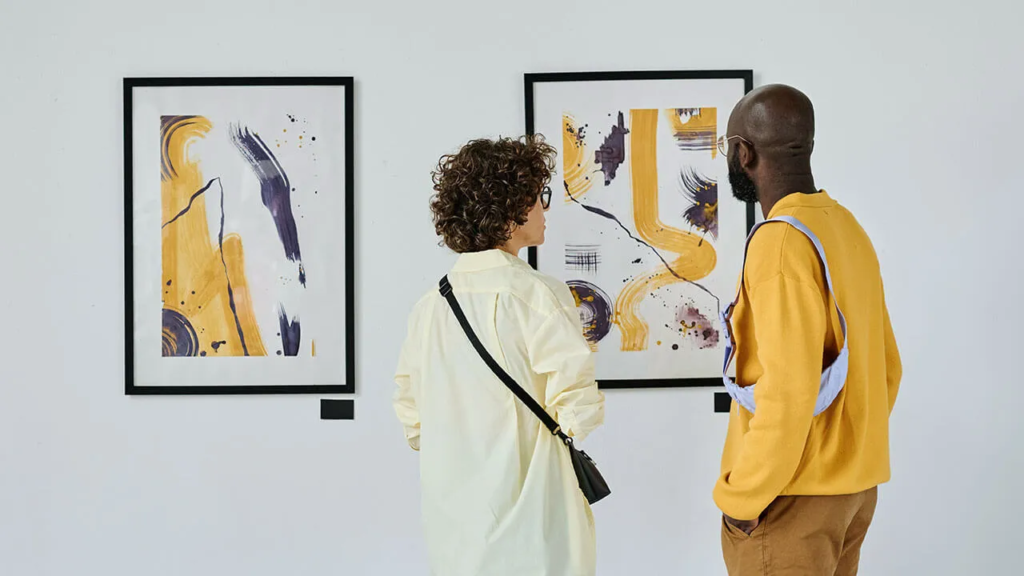
Licensing has become a powerful revenue model for modern artists. Instead of selling artwork once, creators can license their designs for commercial use. This approach creates continuous income while maintaining ownership rights. Many artists combine licensing with art reproduction services to expand exposure and increase earning potential across multiple industries.
Demand for Scalable Prints
Artists are increasingly offering multiple versions of their work to reach wider audiences. This strategy allows them to maintain exclusivity on originals while generating revenue from prints. The growing popularity of art reproduction prints helps creators build consistent income while keeping artistic integrity intact across different formats.
Build Structured Income Models
Successful creative careers now require structured planning. Many artists operate like businesses where production, pricing, and distribution are carefully managed. The fine art printing business approach helps creators scale production while maintaining consistent quality and building long term financial stability through organized systems.
Diversifying Revenue Channels
Artists no longer depend on a single income stream. Instead they combine licensing, digital sales, commissions, and print distribution. This diversification helps reduce financial risk while allowing creators to explore new markets and experiment with different audience segments without compromising stability.
Digital Expansion and Global Reach
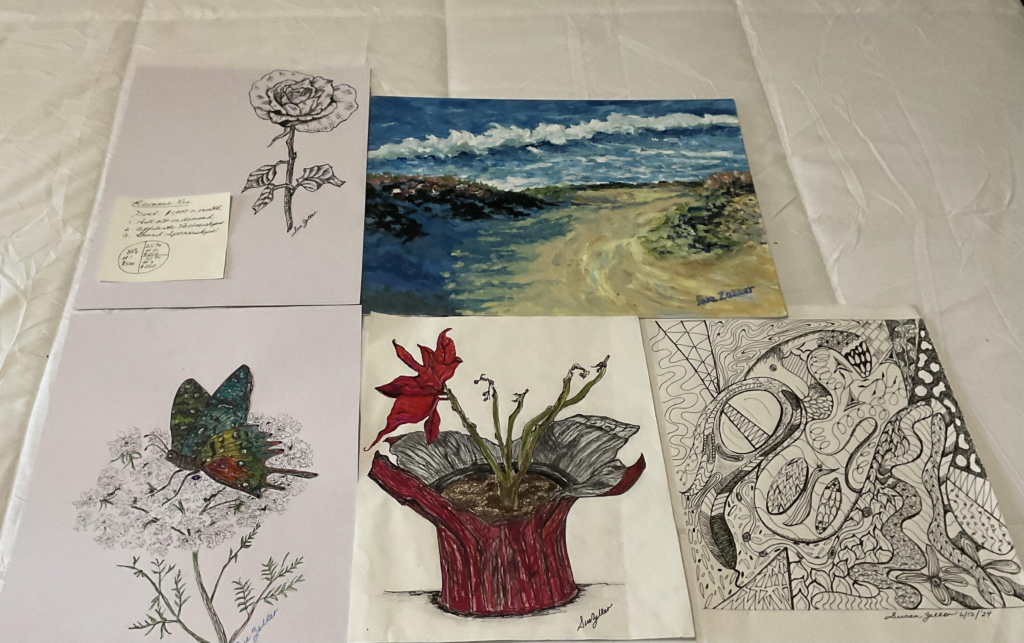
Online Art Marketplaces: Digital platforms have changed how art is sold and collected. Artists can now upload their work, set pricing, and reach international buyers without relying on physical galleries. Many creators actively use art prints online platforms to increase visibility and connect with global collectors across different regions.
Personal Branding of Artists: Branding has become essential for artists who want long term success. A strong identity helps build recognition, trust, and emotional connection with audiences. Consistent storytelling and visual style allow creators to stand out in competitive markets while building meaningful relationships with collectors.
Selling Creative Portfolios: Digital marketing plays a major role in expanding artistic reach. Artists use social media platforms, websites, and email campaigns to showcase their work and attract buyers. Structured portfolios help highlight creative journeys and convert interest into actual sales through consistent online engagement.
Scale Production Partnerships: Collaborations with professional studios allow artists to increase output without reducing quality. These partnerships often include art reproduction services that ensure consistent color accuracy and detail. This helps artists meet growing demand while focusing more on creativity and innovation.
Expand International Reach: Global accessibility has become one of the biggest advantages for modern creators. Artists can now distribute their work across multiple countries without physical limitations. The increasing demand for art reproduction prints supports this expansion by making artwork more available to international buyers.
Frequently Asked Questions
What makes art reproduction important for artists today?
It allows creators to extend the life of their work and generate income from multiple formats instead of relying only on a single sale while expanding audience reach globally.
How can artists maintain quality when reproducing artworks?
Professional production studios use controlled processes that ensure accurate color reproduction and consistent detail across every printed piece.
Can artists generate full income through print sales?
Yes many artists build sustainable careers by combining prints licensing and digital distribution into diversified income systems.
What platforms enable artists to sell their works online?
Artists use various digital marketplaces and galleries to reach global audiences without needing physical exhibition spaces or traditional gallery representation.
Why is branding essential in the art industry?
Strong branding helps artists establish trust recognition and emotional connection with audiences which leads to long term engagement and sales growth.
Wrapping It Up
The modern art world has evolved into a flexible and scalable ecosystem where creativity is no longer limited to physical originals. Artists now have access to powerful tools and systems that allow them to grow beyond traditional boundaries and build sustainable careers.
By combining strategy with creativity, artists can transform their work into long term income systems that adapt to global demand. However, Laguna Digital plays an important role in this transformation by helping creators bring their vision into high quality formats that reach audiences worldwide in a meaningful and lasting way.