


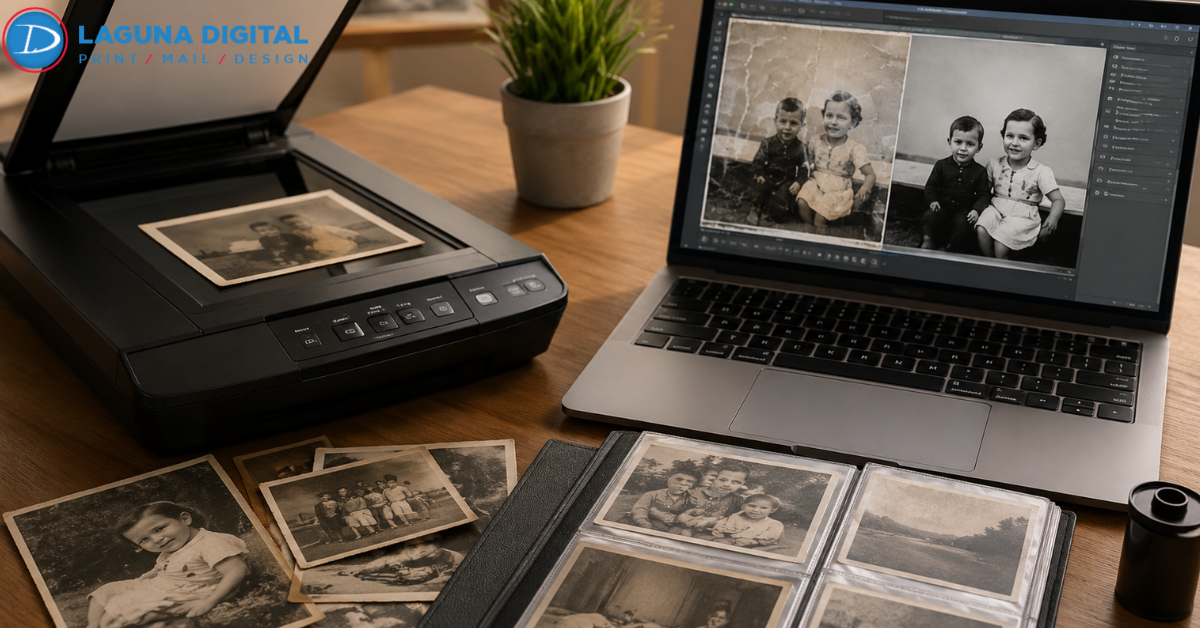
Holding an old photo sparks nostalgia, yet many images fade or crack over time. AI restoration transforms old photo scanning, not just digitizing photos but reviving them. Memories are preserved vividly, giving life to moments once thought lost, making scanning more meaningful.
This blog will explore how AI restoration photo scanning services improve the quality and efficiency of old photos, ensuring that your memories are preserved in their best form.
What is AI Photo Restoration?
AI photo restoration uses artificial intelligence to enhance, repair, and digitize old photographs. It improves clarity, color, and overall quality, bringing old memories back to life efficiently.
AI Restoration Technology in Photo Scanning
Smarter Image Enhancement
AI tools analyze every pixel, sharpening details and improving clarity while retaining authenticity. Faces, backgrounds, and textures become sharper, making old photos clearer and more lifelike, without altering their original essence or emotional impact.
Damage Detection and Repair
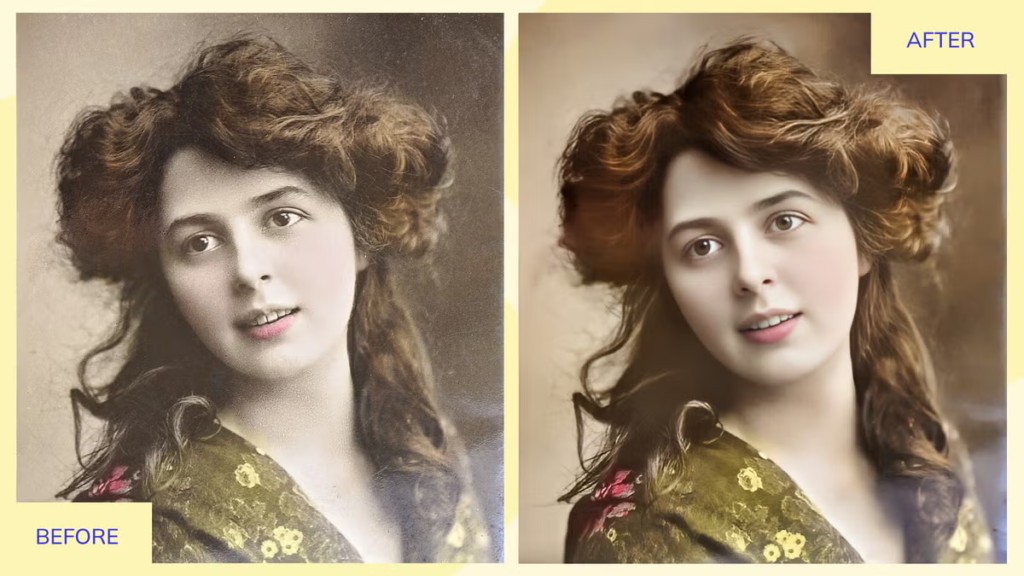
AI automatically detects scratches, stains, and tears. Digital repair restores photos to near-original condition, saving hours of manual work while preserving intricate details. This process revives even heavily damaged prints with minimal effort.
Color Restoration
Faded or discolored photos regain natural hues. AI predicts historical colors accurately, restoring vibrancy while maintaining authenticity. Both black-and-white and color prints can look vivid again, evoking the feeling they had when first captured.
Consistent Results
AI restoration ensures uniform quality in batch scans. Each photo is individually enhanced while maintaining a cohesive look across albums. Whether scanning single prints or entire collections, consistency makes digital archives visually polished.
Benefits of Old Photo Restoration
- Preserving Family History: Old photo restoration preserves memories at risk of fading. Digitized photos allow families to safeguard heritage. Restored images maintain authenticity and emotion, creating a digital legacy that can be passed down through generations easily.
- Saving Time Compared to Manual Editing: Manual restoration is painstaking, taking hours per photo. AI reduces the effort to minutes without sacrificing quality. Families and professionals save significant time while achieving detailed, precise restoration for each scanned image.
- Improving Accessibility: Digitized and restored photos are easy to share online or store in digital albums. Accessibility is enhanced as restored images can be viewed, shared, and enjoyed anytime, while originals remain safe from handling, fading, or loss.
- Boosting Emotional Connection: Seeing an image revived evokes strong feelings. Subtle facial expressions, textures, and colors restored by AI reconnect viewers with the memory, enhancing emotional resonance and making photo collections more meaningful and enjoyable.
- Supporting Creative Projects: Artists, scrapbookers, and hobbyists benefit from high-quality restored images. Digitized photos can be printed, framed, or used in creative projects, allowing old memories to inspire new artistic works without the limitations of physical damage.
Photo Scanning and Digitization Techniques
Flatbed Scanning
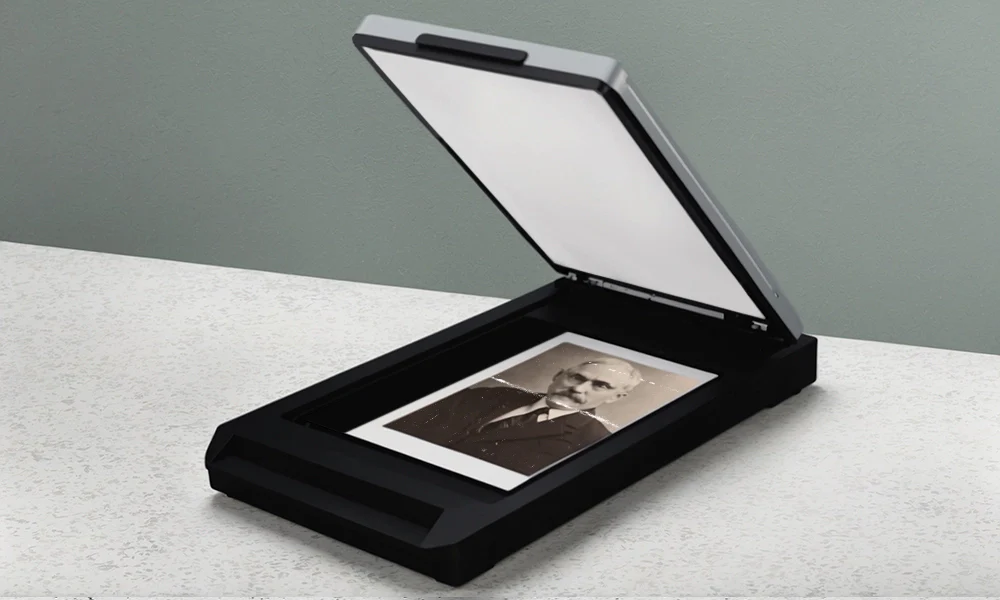
Flatbed scanners capture precise, high-resolution scans. When combined with AI restoration, each pixel is optimized for clarity, color, and texture. This approach ensures that even fragile prints are faithfully preserved digitally with exceptional detail.
Large Format Scanning
Oversized images like posters or panoramas require specialized scanning. AI restoration enhances these large scans, maintaining clarity and vibrancy across the full image. Wide-format photo prints can be preserved accurately for digital archives or display.
File Formats and Storage
Selecting the right digital format is key. TIFF or PNG preserves quality after AI restoration, keeping colors, sharpness, and details intact. Proper storage protects your investment in digitization and ensures images remain usable long-term.
Cloud and Digital Archiving
Digitized and restored photos benefit from cloud storage. Images are safe from physical damage, easy to share, and accessible from anywhere. Combining AI restoration with digital archiving ensures memories remain vibrant and secure indefinitely.
Common Challenges in AI Photo Restoration
Handling Severely Damaged Images
Photos with extreme tears, fading, or missing areas challenge AI restoration. The technology reconstructs what it can, but very damaged prints may need human input. Awareness of limitations ensures expectations remain realistic during restoration.
Balancing Authenticity and Enhancement
Enhancing images risks losing their original character. AI must carefully restore clarity and color while preserving historical accuracy. Maintaining the balance between enhancement and authenticity keeps restored photos true to their era.
Managing Color Accuracy
Old photos often have unique, subtle color tones. AI colorization must avoid overcompensation that can distort historical accuracy. Correct restoration brings natural, period-appropriate hues back to life without altering the original atmosphere.
Dealing with Low-Resolution
Low-resolution scans can limit restoration quality. AI can upscale and enhance, but insufficient details may create artifacts. High-quality scanning before restoration maximizes results and ensures the final image maintains sharpness and clarity.
Maintaining Consistency
Restoring multiple images at once requires uniformity. AI ensures consistent brightness, sharpness, and color across a photo collection. This creates a cohesive set of images, whether for digital albums, prints, or archival purposes.
FAQs
Can AI restore color in black-and-white photos?
Yes, AI predicts historical colors accurately, transforming black-and-white photos into natural-looking color images while preserving the original context and mood.
Is AI restoration better than manual restoration?
AI is faster and can handle many standard issues efficiently. Manual restoration may still be needed for extremely damaged or delicate images where detailed human judgment is required.
What types of photos can be scanned and restored?
Family prints, historical images, and large format photographs can all be scanned and enhanced. AI works across various sizes and types to improve digital quality consistently.
How should restored photos be stored digitally?
Use high-quality formats like TIFF or PNG and consider cloud storage. Proper digital archiving ensures restored images remain accessible, safe, and ready to share for years to come.
Summary
AI restoration has transformed old photo scanning, allowing memories to live on digitally with stunning clarity, repaired damage, and natural colors. Therefore, Laguna Digital shows how families can preserve their heritage effectively, keeping cherished moments vivid for the future.