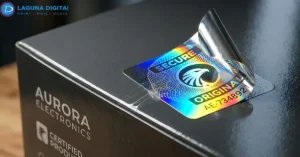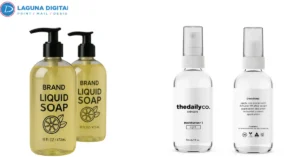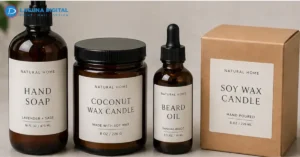



A label is ready for a large print run only after it has been tested on the actual package, not just approved on a screen. Product labels should be checked for fit, print quality, adhesion, readability, scanning performance, and the conditions they will face after packing.
A small problem at a sample stage is cheap to correct. Across thousands of units, the same mistake can mean wasted stock, relabeling, and delayed shipments.
That is why label approval should be treated as a pre-production test, not a final glance at artwork.
What a Good Label Test Needs to Prove?
For product labels, four things must work together: dimensions, print, material and adhesive, and application. A sharp design still fails if it lifts on a chilled bottle or distorts a barcode around a curve.
For regulated consumer goods, artwork approval is separate from compliance approval. The Federal Trade Commission notes that covered consumer commodities may require product identity, net quantity, and manufacturer, packer, or distributor information. Other rules can apply by category.
Before comparing product label printing services, freeze the approved copy and separate design decisions from production specifications and compliance requirements.
Test the Label in Four Stages
1. Start With Size and Placement on the Real Container
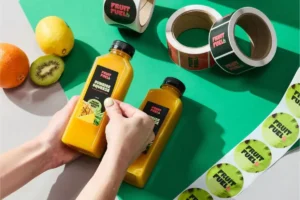
Measure the usable labeling area, not just the container’s advertised dimensions. Bottles and jars often have shoulders, tapers, seams, textured sections, or recessed areas that reduce the practical label space.
Print the artwork at 100% size on plain paper, trim it to the final shape, and place it on the container. This low-cost step can reveal overlap, crooked visual balance, text disappearing around a curve, or insufficient clearance from a cap or base.
If the same product stickers will be used on more than one container size, repeat the fit test for every size. Scaling one artwork file down does not automatically preserve readability or visual balance.
When ordering product labels online, the printer normally works from the size supplied with the order. A technically correct file can therefore produce the wrong result if the original measurements were inaccurate.
For common cut-to-size formats, the custom stickers gives a useful reference for available shapes and ordering options. It also helps narrow the format before custom labels move into product labeling.
2. Evaluate the Printed Sample, Not Just the PDF
Digital proofs catch spelling, layout, trim, and artwork errors. They cannot show how ink, stock, coating, container color, and lighting interact.
Review a physical sample under the lighting in which the package will be seen. Inspect small text, fine lines, reversed type, dark solids, transparent areas, and white-ink details.
This is especially important with custom sticker labels. Paper, vinyl, BOPP, and clear materials do not produce the same visual result, and matte, gloss, and high-gloss finishes can change contrast and glare.
If an exact printed proof is unavailable, test material samples and keep the full-size paper mockup as a separate fit check. A digital preview alone cannot prove finished performance.
The roll sticker materials is useful when narrowing down stock and finish before bulk label printing.
3. Test Adhesion Under the Conditions the Product Will Face
Adhesion problems may appear hours after application. Apply several samples to clean containers with consistent pressure, then inspect for edge lift, bubbles, tunneling, or movement.
A 24-hour check followed by another review around 72 hours can work as an internal quality-control routine. Those timings are practical checkpoints, not universal regulatory requirements.
Environment matters just as much. Product labels on refrigerated goods should be checked after chilling and condensation. Bathroom products may need damp handling, oily goods controlled residue contact, and shipped items a rub or scuff test.
The same principle applies to custom product labels placed on flexible or squeezable containers. The stock and adhesive may perform well on a rigid jar but crease, lift, or distort when the package flexes.
For transparent designs, the clear sticker branding guide provides useful context on how the surface beneath the label affects appearance. The same check is worthwhile for product stickers used on tinted jars or dark product packaging.
For printed labels, check small copies again after coating or lamination. Shine and reflections can reduce readability even when the original artwork is sharp.
4. Verify Codes and Application Before Approving Volume
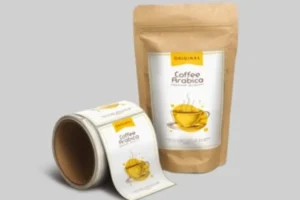
Barcodes and QR codes should be tested after printing and after the label is applied. A code that scans from a computer screen has not passed a production test.
Variable information deserves the same attention. If lot numbers, expiration dates, or serial codes are added later, inspect the complete product labeling after those fields are printed.
Then run a small application trial. For hand-applied packaging labels, watch alignment, wrinkles, and liner handling. For machine-applied work, confirm roll direction, core size, gap, liner, and orientation.
The roll stickers are particularly relevant when unwind direction and roll setup matter. Product labels intended for automated application should not be approved until those production details are settled.
Decide Whether the Label Is Actually Ready for Bulk Production
A sample should not pass because it “looks fine.” Use a short written standard that explains why the job passed.
Record size, artwork version, material, finish, adhesive, application method, and environmental tests. Keep one accepted sample as a reference when future printed labels are reordered.
A practical approval record should answer these questions:
- Does the label fit the container without lifting, crowding, or crossing an unsuitable surface?
- Is all required copy present and readable?
- Does the printed color match the accepted reference closely enough for the brand?
- Has the adhesive held under the intended temperature and moisture conditions?
- Do QR codes and barcodes work after application, including after variable data is added?
- Are roll direction and application requirements confirmed?
- Is the correct artwork version attached to the purchase order?
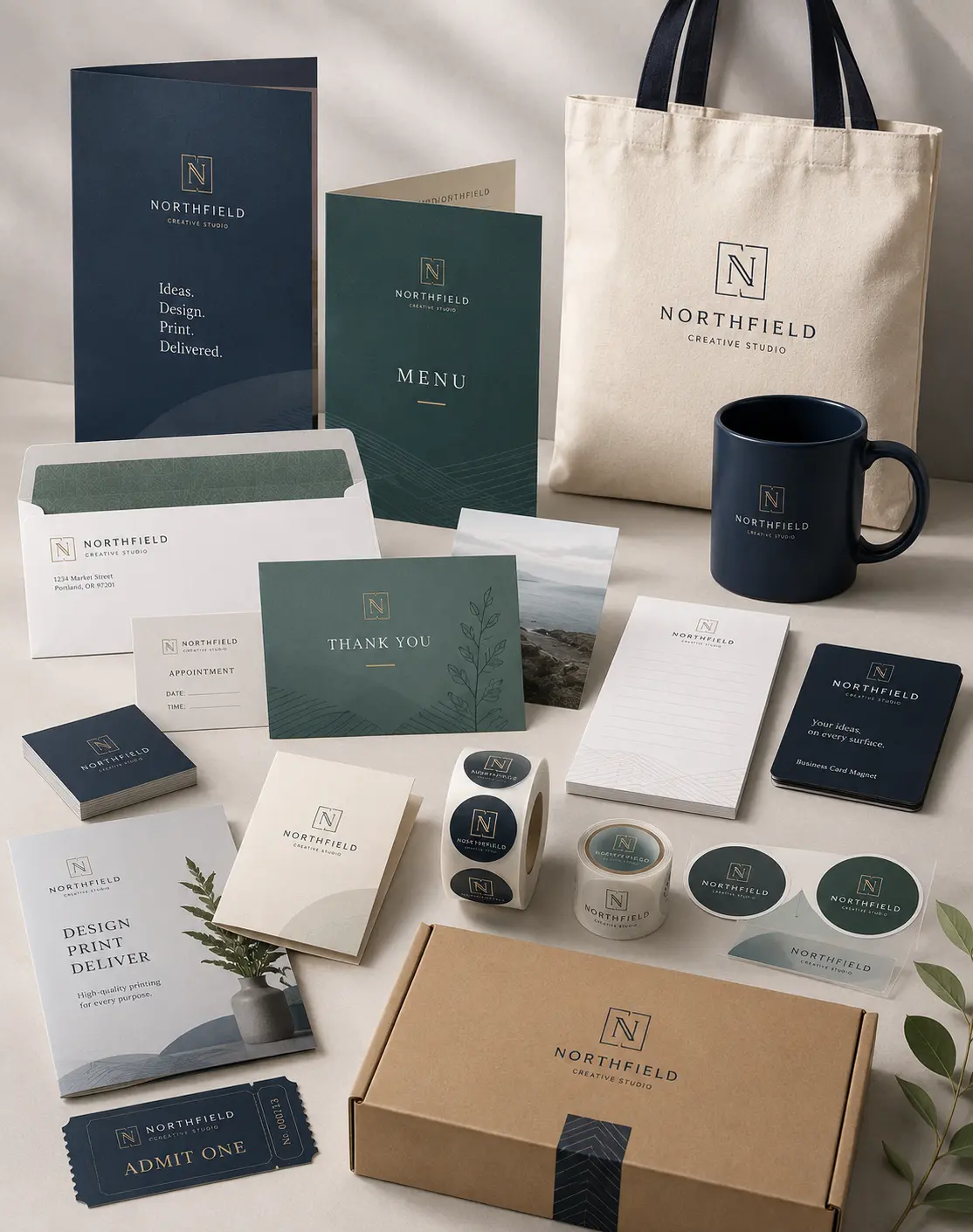
For smaller hand-applied jobs, sticker sheets can be a practical format when several custom labels need to stay organized on one backing sheet. This can also simplify handling when multiple packaging labels belong to the same product line.
This written sign-off becomes even more valuable with bulk label printing because it gives the printer and buyer the same production target. It also makes later troubleshooting easier if packaging stickers printing changes between runs.
Common Asking Questions

How many samples should I test before placing a bulk order?
There is no universal number. Three to five samples may suit an early fit and adhesion check, while a larger pilot helps when application speed, container variation, or exposure creates risk.
Are digital proofs enough for custom sticker labels?
No. A digital proof can confirm artwork, but not adhesion, texture, opacity, scuff resistance, or final printed color. Pair it with a material or printed sample when available.
What should I confirm when ordering product labels online?
Confirm dimensions, stock, adhesive, finish, artwork version, quantity, application method, turnaround, and roll specifications. For regulated goods, verify required copy separately.
Which materials are better for labels exposed to moisture?
BOPP and vinyl are often used where moisture resistance matters, but material alone is not enough. Adhesive, surface type, application temperature, service temperature, and exposure all affect performance.
How do I know whether custom product labels are ready for production?
They are ready when fit, print quality, adhesion, readability, scan performance, environmental exposure, and application setup meet the written acceptance criteria. Product labels should be approved on the real package, not only from artwork on a screen.
Conclusion
A reliable test of product labels is less about inspecting one perfect sample and more about removing uncertainty before quantity multiplies the risk. Confirm the size of the actual container, review the printed result, test the material and adhesive in realistic conditions, scan every code after application, and document what passed.
That process protects product packaging, reduces avoidable reprints, and gives both the buyer and printer a clear production reference. Before committing to packaging stickers printing at scale, keep the approved artwork, specifications, and sample together.
When the format, material, finish, and quantity are settled, Laguna Digital can help move the approved label job into production with clearer specifications and fewer preventable surprises.