
Essential Guide to Pick Waterproof Product Labels for Small Businesses
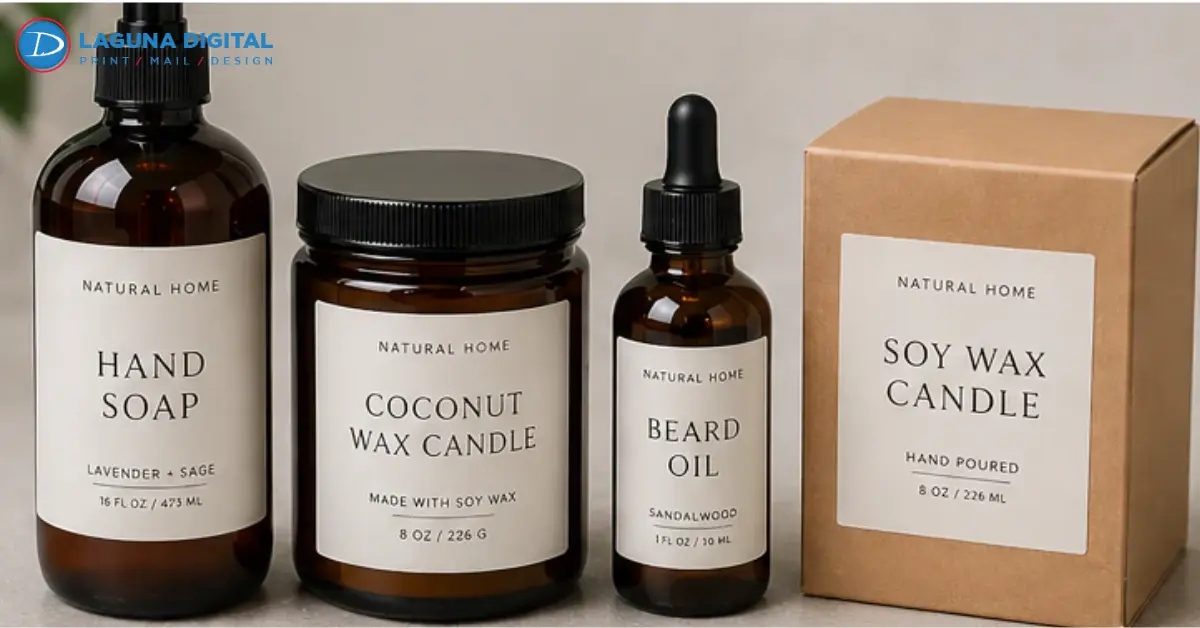
That is the part many small business owners learn the hard way. The product may be good. The bottle may look nice. The scent, flavor, formula, or finish may be exactly what the customer wants. But if the label wrinkles, smears, bubbles, or lifts at the corner, the whole package suddenly feels less careful.
Small brands must pay particular attention to this consideration when marketing themselves as small brands, since your product could find itself alongside bigger names in boutiques, farmers’ markets, gift shops, salons or fridges, and you don’t always get another opportunity to explain its quality.
Waterproof product labels can help ensure both design and information remain clear during handling, moisture levels, storage, and delivery. While keeping details such as name, size, ingredients, directions, barcode, and brand details intact for use by both handling employees as well as customers.
Look At The Product Before You Look At The Label
Where The Product Will Sit
A product that lives in a bathroom has a different problem than one sitting on a dry pantry shelf. Cold drinks sweat. Scrub jars get oily. Cleaner bottles get sprayed. Candles get handled in stores. Good product labels should match the place where the customer will actually use the item.
The Surface Makes A Difference
Glass, plastic, metal, kraft paper, tins, tubes, and pouches do not hold labels the same way. A smooth glass jar is easier than a curved squeeze bottle. Therefore, custom product labels should be tested on the real container, not only judged from a clean digital mockup.
The First Day Is Not Enough
Waterproof labels were made specifically to endure these trials once your product leaves your hands, whether that means cold storage, wet hands, a delivery box transporting it across country borders, or being left on shelves indefinitely.
Pick The Material Like You Pick Packaging
BOPP For Common Retail Items
BOPP is a strong everyday choice for jars, bottles, candles, sauces, bath products, and beauty items. It looks clean and handles moisture better than paper. Many small brands choose custom waterproof labels in BOPP because it gives a polished look without making the order feel too expensive.
Polyester For More Stress
Some products need more strength than a basic label can give. Polyester works well when there is rubbing, damp storage, sunlight, or more frequent handling. Durable product labels made from polyester are often a better fit for cleaning products, refill bottles, tools, and outdoor items.
Vinyl For Curves And Movement
Vinyl can be helpful when the container has a round shape or a little movement. It works well on some squeeze bottles, curved jars, and flexible packs. If the label needs to bend with the package, vinyl may sit better than a stiff material.
Think About Water, Oil, Cold, And Hands
Fridge Items And Sweating Bottles: Bottles can be chilly and dry in the cooler, but start to sweat after a few minutes on the counter. That moisture can eat away at the edge of a weak label. Both Hot Packaging and Cold Packaging, labels used on drinks, sauces, dips as well as chilled goods needing waterproof and flat labels that are readable.
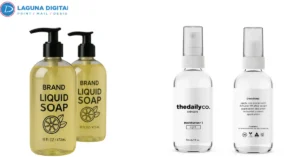
Bath And Beauty Products: Soap, lotion, shampoo, body scrub, and spray bottles typically reside next to sinks, showers or wet benches. Customers will fondle it with wet, or greasy hands. Waterproof sticker labels stand out after typical usage and help maintain the fragrance name, directions, ingredients and logo design clear.
Kitchen And Cleaning Products: Paper labels crack quickly in oil, water, soap and cleaning spray. If your product will live near a sink, stove, laundry room or cleaning cart, plain paper may not cut it. Waterproof labels assist the package to keep itself neat.
Keep The Design Simple Enough To Trust
Do Not Crowd The Front
A crowded front label can confuse shoppers. Give the product name, size, scent, flavor, or main use enough room to breathe. Custom product labels do not need every detail on the front. A clean front often feels more confident than a packed one.
Choose A Finish That Matches The Brand
Gloss looks bright and sharp. Matte feels soft, calm, and a little more premium. Clear labels can look beautiful on glass when the product color supports the design. The finish should fit the item, not just follow what looks trendy online.
Keep The Line Looking Connected
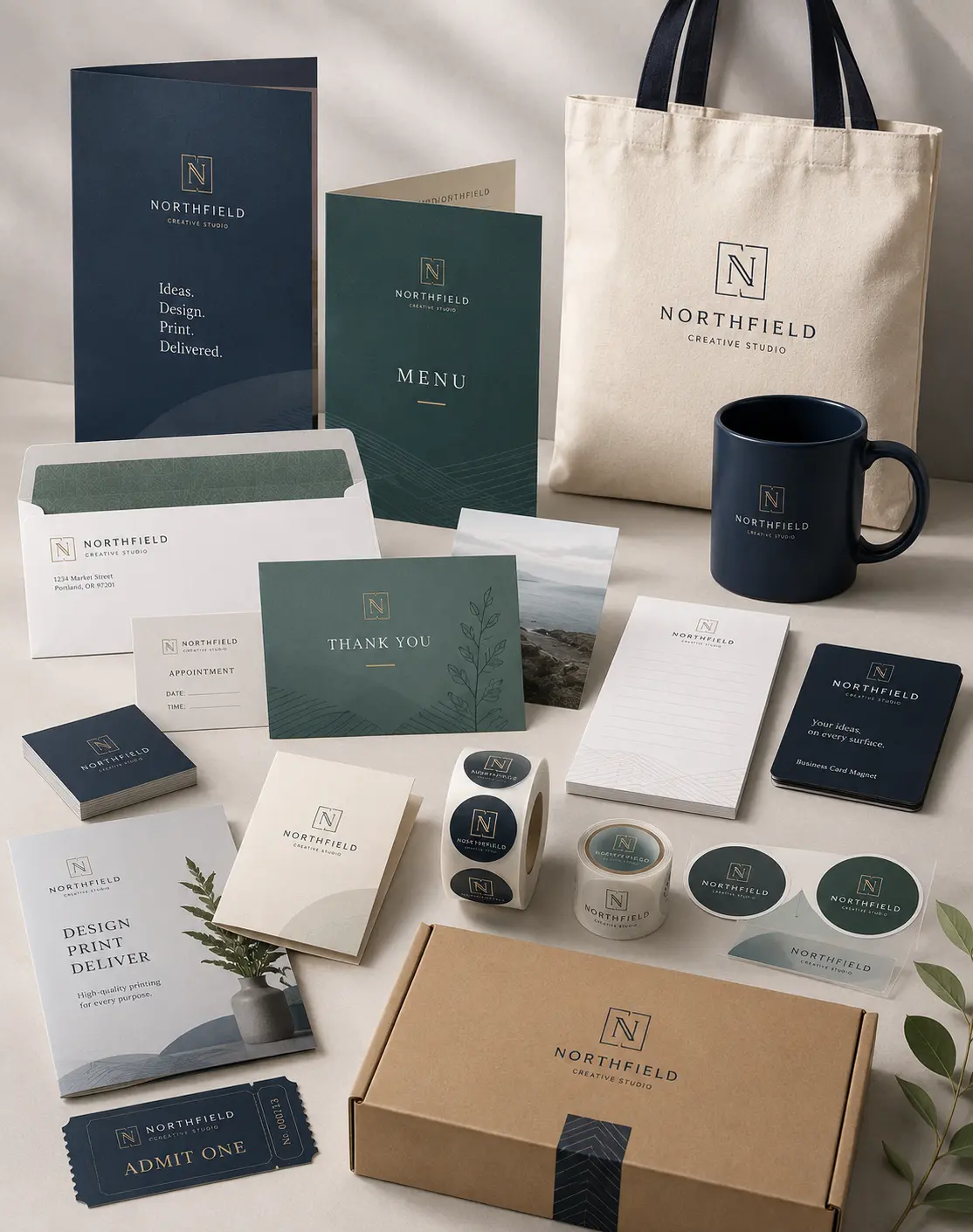
If you sell soaps, candles, jars, packets, or small gifts, the full product line should feel related. Colors, fonts, and spacing should not change wildly from item to item. Header card printing can also help smaller retail products look more finished on store racks.
Protect The Details Customers Need
Food And Drink Information
Products including food and drinks require clear details regarding product name, net weight, ingredients, allergens, storage notes, and business contact info on their packaging labels to maintain legible text through cold storage, delivery, and shelf handling processes.
Beauty And Body Care Information
To be truly effective, products for bodycare and skincare need to have clear ingredient lists, usage instructions, warnings, and company details. A product with peeling labels makes people question whether care has gone into its formulation even when the formula inside is excellent.
Events And Local Selling
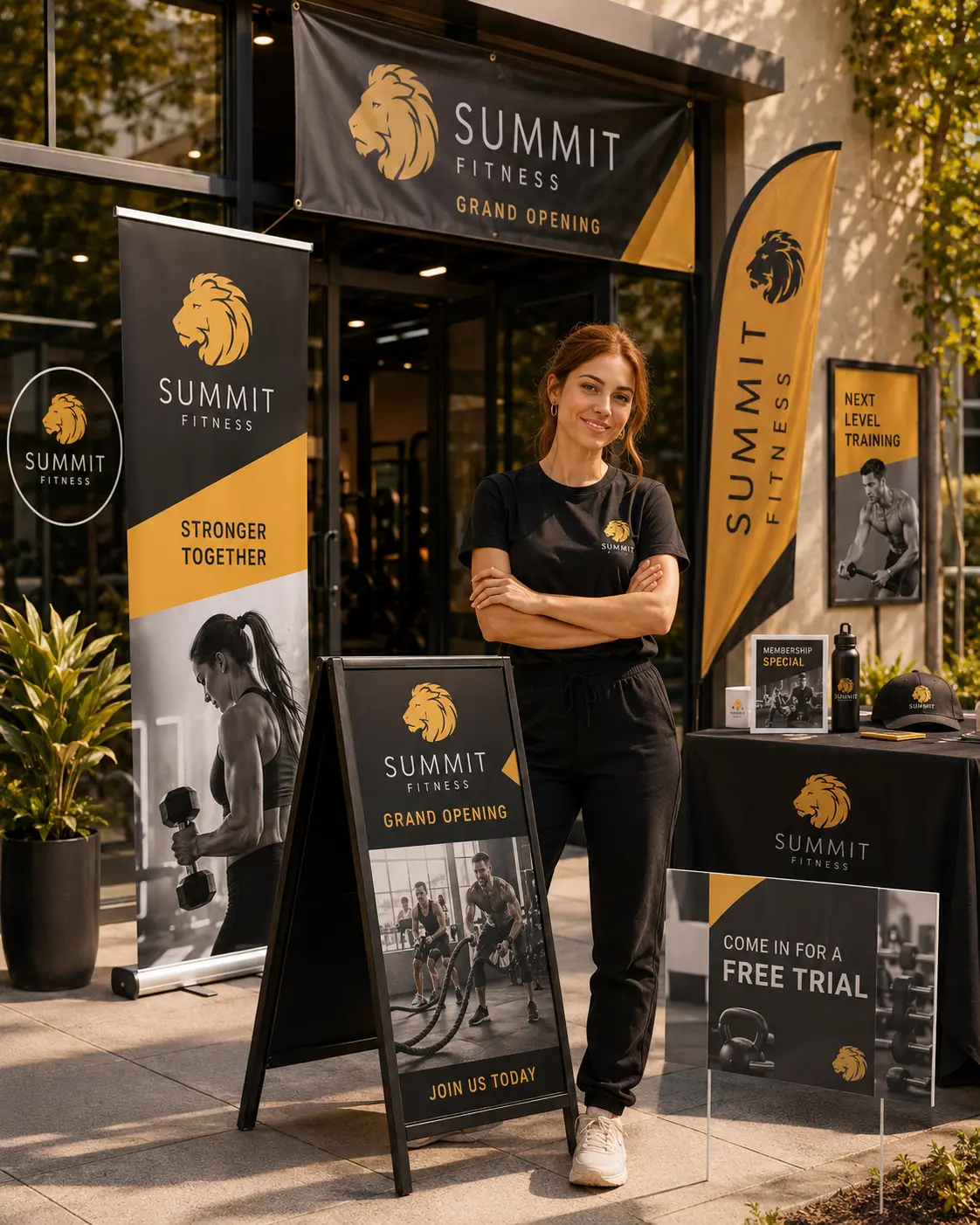
Many small brands sell at fairs, expos, salons, pop ups, and local markets. The table, staff, tags, and product packaging all work together. Name tag printings can help your team look prepared while your labels keep the product side clean and organized.
Test Before Spending On A Full Run
Put The Label On The Real Container
Never judge a label only on your screen. Put the sample on the actual jar, bottle, pouch, tin, or tube. Hold it in your hand. Look at it from a shelf distance. If the label feels too small, too dull, or too crowded, fix it before printing more.
Try The Conditions Your Customer Will See
Place one sample in the fridge. Put one near water. Keep one in a box if you ship products. Rub the edges lightly after a day or two. This simple check can show problems before your full sticker printing order is complete.
Read Every Small Detail
Tiny text is one of the most common label problems. Ingredients, warnings, barcodes, scent names, and size details must be easy to read at real size. Do not approve the file only because it looks clean when zoomed in on a laptop.
Avoid Label Choices That Make Products Look Cheap
Weak Adhesive
The material can be strong, but the label still fails if the adhesive is wrong. Some plastic surfaces are harder to label than glass. Some jars have texture. Some products leave oil near the edge. Waterproof packaging labels should be picked with the surface in mind.
Too Many Design Elements
A small label cannot carry every logo, claim, icon, story, color, and instruction on the front. When everything is loud, nothing stands out. Move extra details to the side or back panel and let the main product message stay clear.
No Room For New Products
Many brands start with one item, then add more scents, flavors, sizes, refills, or seasonal packs. Durable product labels should be part of a style that can grow. Otherwise, every new launch starts to look like a different brand.
Make Printing Easier As You Grow
Start With A Smaller Quantity
An initial small run allows you to test. You will get to observe customer reactions, how the label looks on shelves, and whether or not size feels right before ordering any larger quantities. This approach provides more safety than ordering one large batch prior to knowing exactly what works.
Save Your Common Sizes
If you use the same jar, bottle, pouch, or tin often, save the exact size and print setup. Repeat orders become easier. Seasonal changes also become faster because the main layout is already built.
Work With A Print Team That Checks Details
A helpful print team can catch things you may miss, such as bleed, size, finish, spacing, and small text problems. This matters for stickers printing, header card printing, event pieces, and name tag printings when everything needs to feel like one brand.
Frequently Asked Questions
What Material Is Best For Wet Products?
BOPP works well for many jars, bottles, candles, and bath items. Polyester is better for tougher use. Vinyl can be better for curved or flexible containers.
Are Waterproof Labels Worth It?
Yes, if your product may touch water, oil, cold air, wet hands, or cleaning areas. Basic paper can fail quickly in those places.
Should I Test Labels First?
Yes. Put the label on the real container and test it where the product will be used. A quick test can save you from a bad full order.
Can One Label Work For Every Product?
Sometimes, but not always. A dry pouch, cold bottle, candle jar, and lotion bottle may need different materials or adhesives.
What Makes A Label Look More Professional?
Clear spacing, readable text, strong material, clean print, and the right finish make a big difference. The label should look good and stay useful.
Bottom Lines
A great product label should reflect what’s inside its container; this includes sticking securely, staying readable, matching its shape, and lasting through customer touches or use. A good label does not need to be overdesigned, instead it should feel clean, clear, and reliable.
Packaging your small business product properly builds trust. It helps the product appear ready for shelves, local markets, online orders, gift boxes, and repeat customers while saving money by cutting reprint costs, damaged packaging costs, and quick fixes.
Laguna Digital helps small businesses create labels and printed pieces that look professional without feeling overdone. From waterproof product labels and custom waterproof labels to header card printing, stickers printing, and name tag printings, Laguna Digital can help your packaging feel ready for real customers.