

Professional Art Reproduction Printing Services for Artists & Businesses
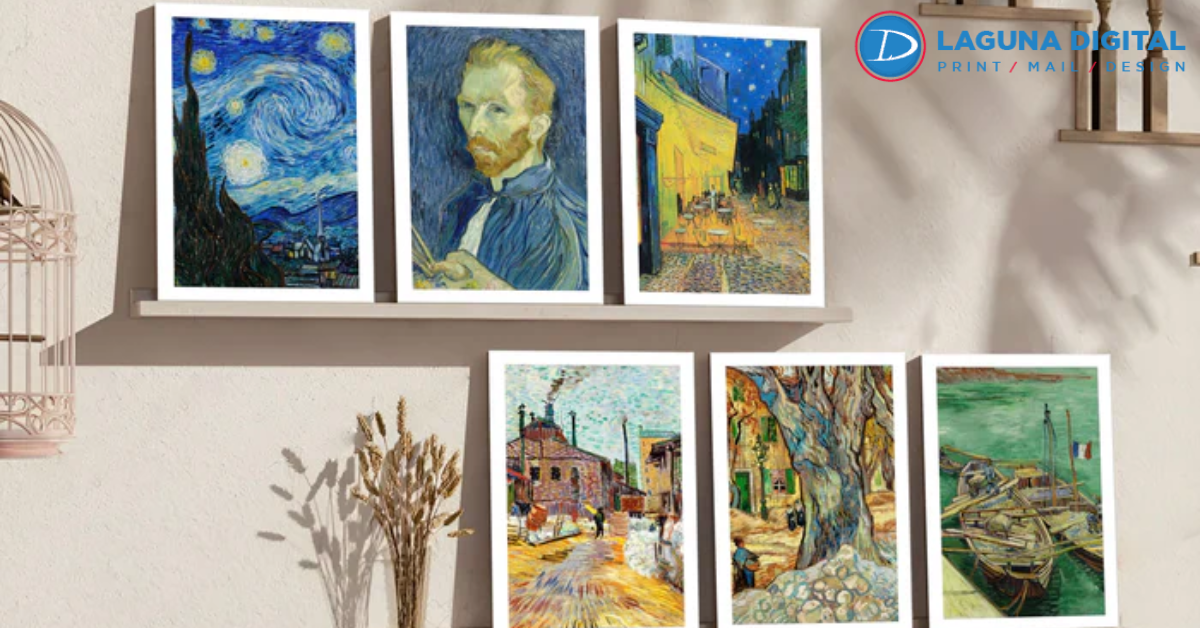
Every artist knows a particular kind of anxiety. It strikes the moment you try to replicate a piece of original artwork—something you’ve poured hours, emotion, and effort into. Whether you’re a painter selling limited edition prints or a business owner creating high-end décor for a corporate lobby, the gap between the original and the reproduction can feel like a canyon. We’ve seen clients arrive with vibrant, textured canvases, sharing horror stories of previous art reproduction attempts where their blues turned purple and subtle brushstrokes vanished into a flat, lifeless print.
True Art Reproduction is not simply about scanning an image and hitting print. It is an interpretive craft that requires a synergy between high-resolution capture technology, color management expertise, and the right substrate. In our years of working with creatives and gallery owners, we have learned that the goal isn’t just to make a copy, it is to translate the soul of the original piece into a new format that stands on its own. When done correctly, a reproduction allows your work to reach a wider audience without sacrificing the integrity of your vision.
The Science of Fidelity: Why Your Home Printer Can’t Compete
The most common complaint we hear from artists involves color fidelity. You might have mixed a specific shade of teal that defines the mood of your landscape, but standard commercial printers often interpret that color as a generic blue. This happens because standard printers use a limited color gamut (CMYK), whereas fine art reproduction utilizes expanded ink sets to capture a much broader spectrum of visible color. Understanding this difference is crucial for anyone serious about selling their work.
However, technology alone does not solve the problem; the human eye does. Machines can be calibrated to perfection, but they cannot feel the warmth of a sunset in the same way the artist intended. This is why we emphasize the importance of the proofing stage. It is rarely a one-and-done process. We often find ourselves tweaking curves and saturation levels manually to ensure the print reflects the original lighting conditions. If you are interested in the technical side of how we bridge this gap, you might want to read more about the science behind high-quality prints.
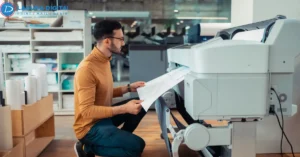
Another factor that is often overlooked is the capture phase. You cannot print high-quality details from a low-quality file. We have had clients submit smartphone photos of their paintings expecting gallery-ready results, only to be disappointed by pixelation and lighting glares. Professional digitization involves studio lighting and high-resolution scanning that eliminates glare and captures the physical texture of the paint. This creates a three-dimensional effect even on flat paper, preserving the tactile nature of the original work.
Selecting the Right Method: Giclée vs. Standard Digital
In the world of fine art, Giclée is a buzzword that gets thrown around a lot, but it holds significant weight regarding longevity and value. It refers to a specific type of inkjet printing that uses fade-resistant archival inks. For artists in our local area, understanding the specifics of giclée printing options can be a game-changer for their business revenue. These prints are designed to last for decades without fading, which is a major selling point for collectors who view art as an investment.
However, not every project requires Giclée. For businesses creating temporary signage or promotional posters for an event, standard digital printing is often more cost-effective and perfectly sufficient. The key is understanding the intended lifespan and viewing distance of the final piece. A banner hanging twenty feet in the air doesn’t need the same microscopic resolution as a watercolor print held in a buyer’s hands.
Material Matters: Paper, Canvas, and Texture
The material you print on is just as important as the ink you use. We often advise artists to match the substrate to the original medium to maintain authenticity. If you painted on canvas, printing on canvas helps retain that authentic feel. If you work in watercolors, a textured matte paper can make the reproduction look almost indistinguishable from the original.
This decision-making process extends to photographers as well. While high-gloss might work for modern, sharp architectural shots, it can look cheap on soft portraits. Professional photo printing offers a variety of finishes luster, metallic, matte that interact with light differently. We always encourage clients to touch the paper samples before committing to a full run. The tactile experience of the print contributes significantly to its perceived value.
Building a Cohesive Business Around Your Art
For many of our clients, printing is not a hobby; it is a revenue stream. Transitioning from a hobbyist to a professional requires more than just good prints; it requires a cohesive brand presentation. We have worked with incredibly talented painters who struggle to sell because their marketing collateral doesn’t match the quality of their art. At Laguna Digital, we believe that every touchpoint with a customer should reflect the quality of the masterpiece they are buying.
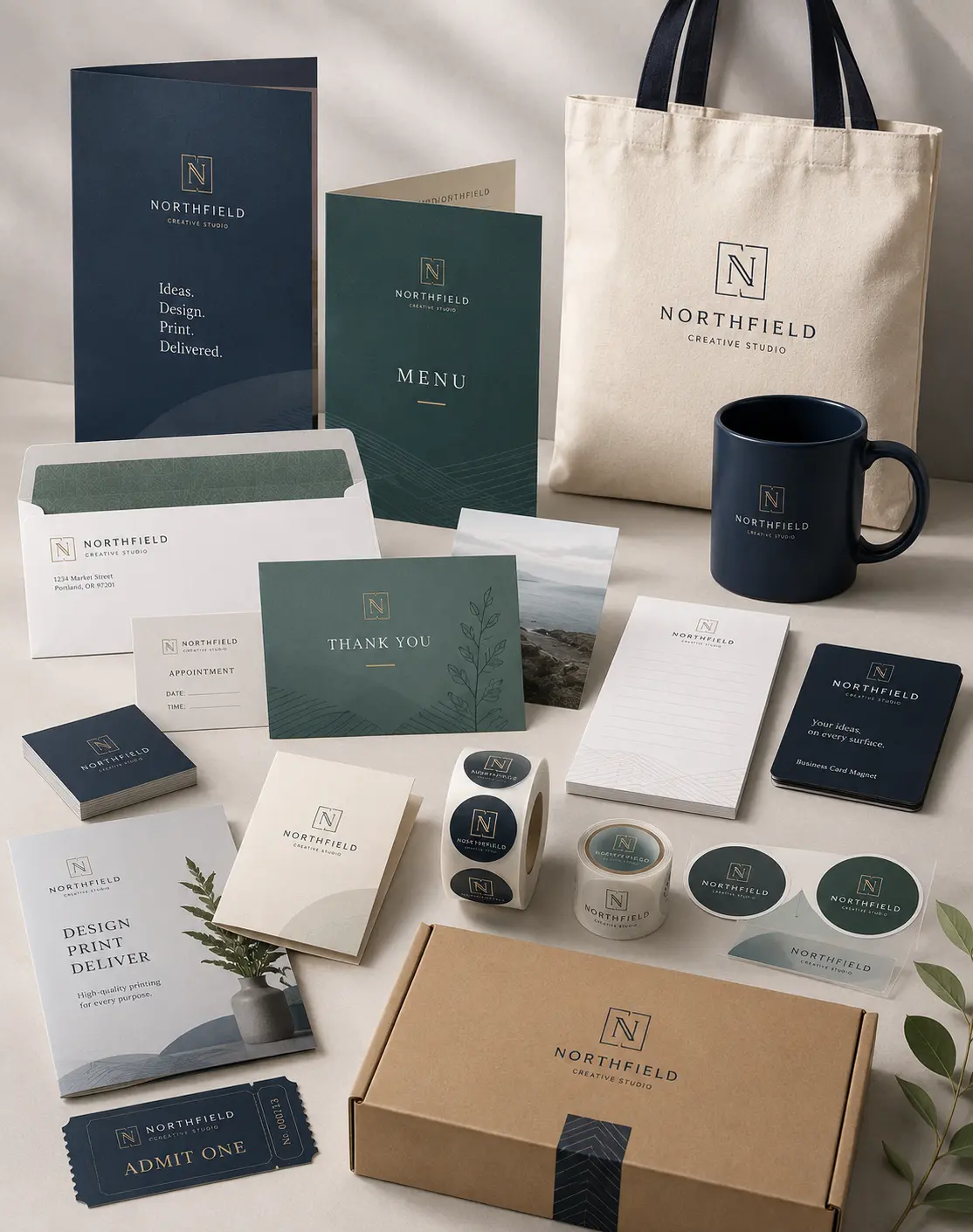
When you are setting up a booth at an art fair or sending a portfolio to a gallery, the supporting materials matter immensely. You need high-quality business essentials like business cards and letterheads that reflect your aesthetic. A flimsy business card handed out next to a $500 print creates a cognitive dissonance for the buyer. Consistency establishes trust, and trust closes sales.
Elevating Your Visual Marketing
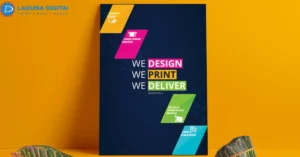
Furthermore, how you display your work attracts attention in a crowded marketplace. Using professional banners, posters, and signs can turn a standard white tent into an immersive gallery experience. Large-format signage that showcases a detailed macro shot of your work can draw people in from across the room. It tells the story of your art before the customer even steps close enough to see the originals.
Additionally, think about your broader marketing materials. Postcards, flyers, and brochures featuring your art are excellent takeaways that keep you top-of-mind for potential buyers. We have seen artists include a beautifully printed postcard with every purchase, which often leads to repeat business or referrals. These small touches add perceived value to the transaction.
Diversifying Income with Books and Catalogs
Once you have mastered single prints, you might consider expanding into other formats. Many successful artists we work with maximize their revenue by compiling their works into catalogs or coffee table books. This serves a dual purpose: it acts as a lower-price-point item for fans who can’t afford an original, and it serves as a professional portfolio for galleries. Specialized book printing allows for this level of professional presentation. Giving you a product that sits on coffee tables and sparks conversations long after the initial sale.
Avoiding Common Pitfalls in Reproduction
Experience has taught us that there are several traps artists fall into when reproducing work. One major issue is rushing the process. We have seen deadlines missed because a file was corrupted or the color proof wasn’t approved in time. It is vital to learn about common printing mistakes before you invest significantly in a print run. Patience during the proofing phase saves you money and heartache in the long run.
Another challenge is selecting the right service provider. It is tempting to use online, big-box discount printers, but the lack of quality control often leads to wasted money on unusable prints. When you work with a local specialist, you are paying for their eyes and their expertise, not just the ink. If you are unsure where to start, looking into how to choose reproduction services is a crucial step in protecting your artistic reputation.
The Value of a Trusted Printing Partnership
Ultimately, the relationship between an artist and their printer is a partnership. We succeed when your art looks beautiful and sells well. We understand the vulnerability it takes to hand over your work to someone else. We know that accurate reproduction is the key to scaling your business and preserving your legacy.
We encourage you to view the printing process as an extension of your creative workflow rather than a manufacturing hurdle. Ask questions, request proofs, and be demanding about quality. Your art deserves nothing less than a partner who cares about the output as much as you do.
Conclusion
Reproducing art is a journey that blends technical precision with artistic sensitivity. From the initial high-resolution scan to the final selection of archival paper. Every step influences how your work is perceived by the world. Whether you are a photographer, a painter, or a business looking to upgrade your visual branding, taking the time to understand these processes will pay dividends in the long run.
If you are looking for more insights on printing technology, marketing tips for artists, or industry news, be sure to visit our blog. We are here to help you navigate the transition from original masterpiece to stunning reproduction with confidence.