


How to Turn Your Physical Art into Digital Files with Scanning Services
Artists working in traditional mediums often face limitations when it comes to sharing and preserving their work in a rapidly evolving digital environment where visibility and accessibility define success. Converting physical artwork into digital files allows creators to maintain full control over their portfolio while unlocking opportunities for online exposure, licensing, and high-quality reproduction across multiple platforms, all without compromising the integrity of the original piece. A carefully executed digitization process ensures that every fine detail, brushstroke, and tonal variation is preserved with remarkable accuracy, making digital copies nearly indistinguishable from the original artwork.
Professional scanning solutions play a critical role in bridging the gap between physical and digital art by delivering results that far exceed what standard devices or casual photography can achieve in terms of precision and consistency. Large-Format Fine Art Scanning stands out as a specialized approach designed to capture artwork at exceptional resolutions while maintaining true-to-life color fidelity, allowing artists to confidently present their work in galleries, online stores, and print markets with a level of quality that meets professional and commercial standards.
Understanding the Importance of Digitizing Artwork
Preserving Artistic Value
Artwork created on paper, canvas, or other physical surfaces remains vulnerable to environmental factors such as humidity, sunlight exposure, accidental damage, and gradual aging that can alter its original appearance over time. Digitization provides a reliable way to preserve the essence of each piece by creating a high-resolution digital archive that retains all visual elements, ensuring that the artist’s vision remains intact regardless of what happens to the original work. Maintaining such a digital record also supports restoration efforts and allows artists to reproduce their creations whenever needed without risking further damage to the original.
Expanding Creative Opportunities
Digital files open the door to a wide range of possibilities that extend far beyond the limitations of physical artwork, enabling artists to diversify their income streams and reach audiences across the globe without geographical barriers. High-quality digital versions can be used for prints, merchandise, marketing materials, and online portfolios, providing artists with the flexibility to adapt their work for various commercial and creative purposes while maintaining consistency in presentation and quality across all formats.
What is Large-Format Fine Art Scanning?
How It Works
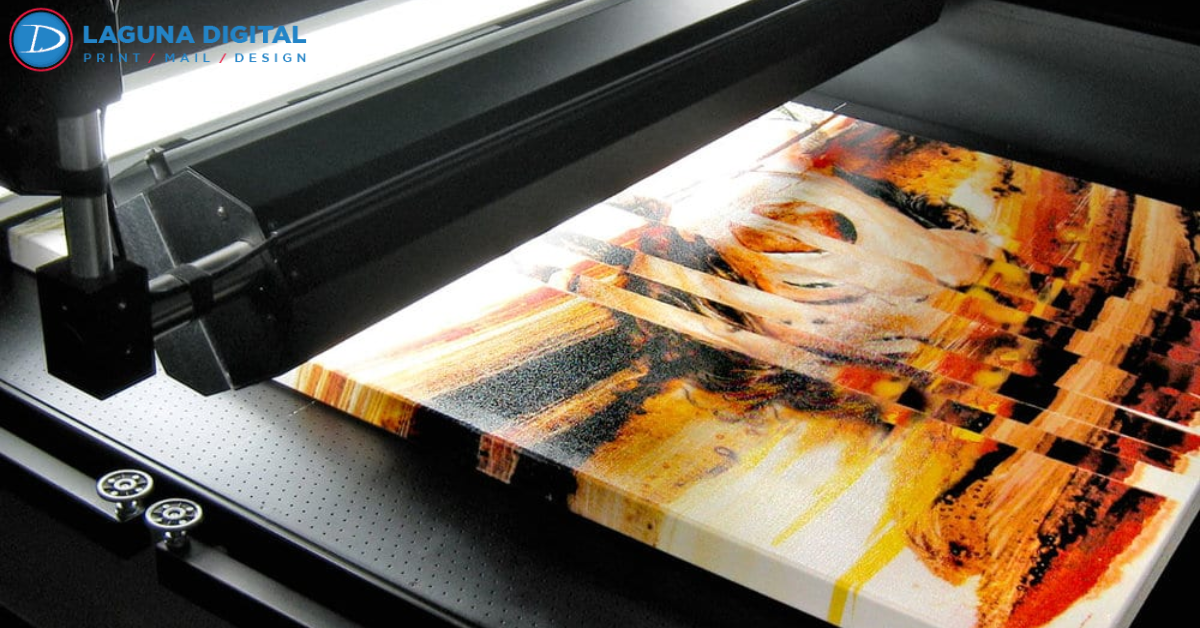
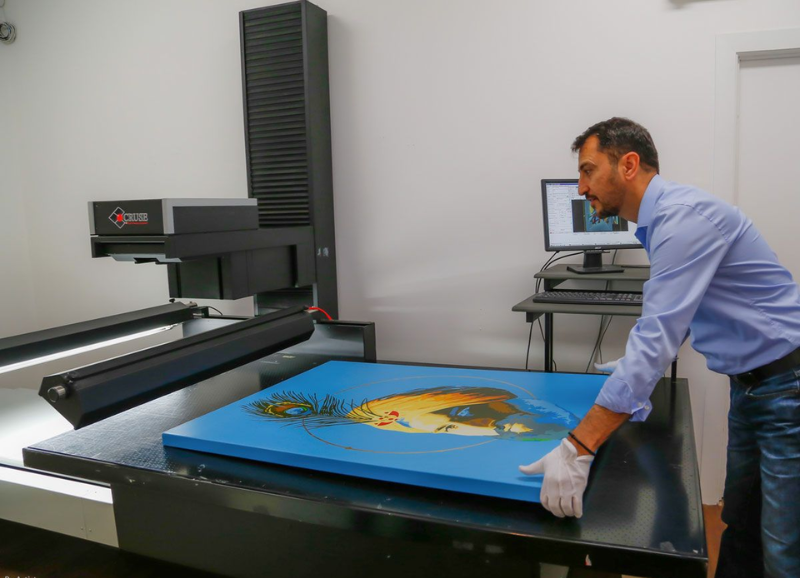
Large-format scanning uses advanced imaging systems designed to handle artwork of different sizes and textures while keeping exceptional clarity and precision. Specialized equipment applies controlled lighting, calibrated sensors, and high-resolution imaging to capture every detail. Often, the artwork is scanned in multiple passes. The captured data is then combined into a seamless digital file that accurately reflects the original piece with remarkable fidelity.
Why It’s Superior to DIY Methods
Digitizing artwork with smartphones or basic scanners often produces uneven lighting, distorted colors, and a loss of fine detail. These issues reduce the overall quality of the final image. Professional scanning avoids such problems by using calibrated workflows and expert handling techniques. It ensures uniform lighting, precise alignment, and accurate color reproduction. This makes professional scanning the preferred choice for artists who need reliable, high-quality results.
Preparing Your Artwork for Scanning
Cleaning and Handling Tips
Proper preparation of artwork is crucial for achieving the best scanning results. Even small imperfections, such as dust, smudges, or fingerprints, can appear clearly in high-resolution digital files. Cleaning the artwork with suitable materials and handling it with clean hands or protective gloves helps preserve its integrity. This careful approach ensures the scanning process captures only the intended details without distractions.
Choosing the Right Format
Different types of artwork need specific scanning approaches depending on size, texture, and medium. Selecting the right format and method before starting the digitization process is essential. Paintings with heavy textures often require specialized lighting to capture depth accurately. Delicate drawings or prints need gentle handling and precise positioning to prevent damage and ensure faithful reproduction.
The Professional Scanning Process Explained
Step-by-Step Workflow
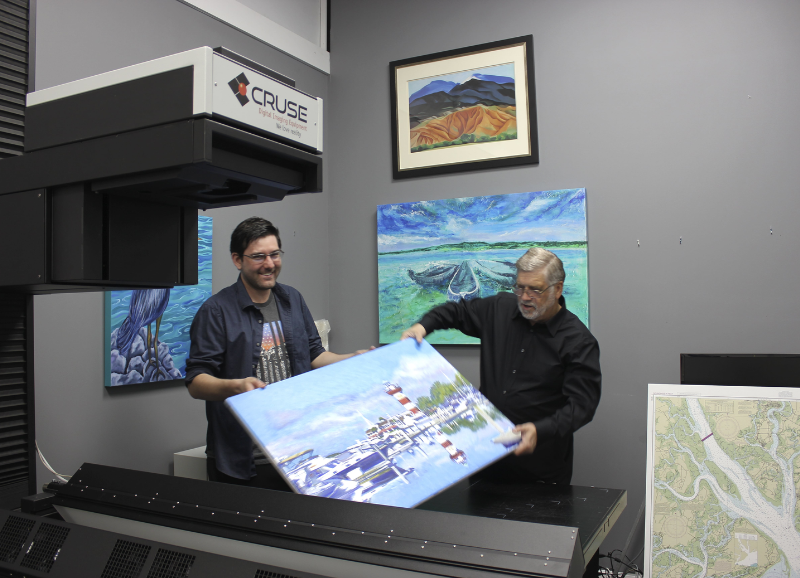
A professional scanning workflow starts with a detailed evaluation of the artwork to determine the best method for capturing its unique features. The artwork is then carefully placed in the scanning system to ensure proper alignment and stability. High-resolution imaging captures the piece in sections or as a whole, depending on its size. Advanced software then processes the captured data, combining and refining it into a cohesive digital file. The final result preserves both visual accuracy and structural integrity.
Color Accuracy and Resolution
Achieving accurate color representation remains one of the most critical aspects of professional art scanning, as even minor discrepancies can significantly impact the overall appearance of the digital file. Calibrated monitors, color profiles, and meticulous adjustments ensure that the scanned image closely matches the original artwork, while high-resolution output preserves intricate details, making the file suitable for large-scale printing and detailed digital displays.
Key Benefits of Professional Art Scanning
- Exceptional clarity that captures intricate details and textures with precision
- Reliable color accuracy that ensures consistency across prints and displays
- Long-term preservation of artwork through high-quality digital archives
- Flexibility for use in online platforms, marketing materials, and reproductions
- Increased commercial potential through scalable and versatile digital assets
Common Mistakes to Avoid When Digitizing Art
Many artists face difficulties when trying to digitize their artwork without professional help. Poor lighting, incorrect resolution, and low-quality equipment often result in digital images that fail to capture the full detail and color of the original piece. These issues can diminish the value of the digital file and limit its usefulness for professional or commercial purposes.
Another common error is choosing the wrong file formats or using excessive compression, which can reduce image quality and restrict how the artwork can be used in print or online. Avoiding these mistakes requires technical expertise and access to advanced scanning tools, both of which professional scanning services provide reliably.
Choosing the Right Art Scanning Service
Selecting a dependable art scanning provider requires careful consideration of experience, equipment quality, and expertise in handling various types of artwork with precision and care. A reputable service will offer tailored solutions that align with the specific needs of each artist while ensuring that every piece is treated with the highest level of professionalism and attention to detail throughout the entire process.
Examining portfolios, client reviews, and sample scans gives artists a clear understanding of a scanning service’s expertise. This helps in making informed choices that ensure quality, consistency, and long-term usability of digital artwork.
File Formats and Their Uses
Print vs Web Formats
Different digital formats are designed for specific uses. High-resolution TIFF files are ideal for printing because they preserve maximum detail and accurate color. JPEG and PNG formats work best for web use, providing a balance between image quality and file size for smooth online sharing without losing visual clarity.
Archival Standards
Archival-quality formats are designed to preserve digital artwork without loss of data over time, making them an essential component of any long-term storage strategy for artists who wish to maintain the integrity of their work. Properly stored archival files provide a reliable foundation for future reproductions, exhibitions, and commercial applications.
How Digitized Art Boosts Your Business
- Expands global reach by enabling online sales and digital distribution
- Supports branding through consistent and professional presentation
- Creates opportunities for licensing and collaborative projects
- Enhances portfolio visibility across multiple platforms
- Increases revenue potential through prints and merchandise
FAQs
1. How long does professional art scanning take?
The time needed depends on the artwork’s size and complexity. Standard pieces are usually scanned within a few hours, while larger or highly detailed works may take longer.
2. Can textured paintings be scanned accurately?
Advanced scanning technology records intricate textures and subtle depth, creating digital files that faithfully replicate the original artwork in both detail and visual appearance.
3. What resolution is best for fine art scanning?
High-resolution settings, usually between 300 and 1200 DPI or more, capture every detail accurately. This makes the digital files ideal for large-format printing and professional applications.
4. Are digital files suitable for printing?
Professionally scanned files are optimized for high-quality printing, allowing artists to create reproductions, posters, and merchandise without compromising detail or color accuracy.
5. Is it safe to scan delicate or old artwork?
Skilled professionals handle artwork with great care and use specialized equipment to protect delicate or valuable pieces. Each item is scanned safely, reducing any risk of damage during the process.
Conclusion
Transforming physical artwork into high-quality digital files is an essential step for artists who want to protect their creations and grow in a digital marketplace. Strong presentation and easy access play a major role in gaining visibility and attracting buyers today. Professional scanning provides the precision, clarity, and consistency needed to maintain the original impact of each piece. Artists can confidently share, reproduce, and promote their work across multiple platforms and formats without losing quality.
Laguna Digital is a trusted provider of Art Scanning Service solutions, known for its expertise in Large-Format Fine Art Scanning.The team maintains high industry standards to ensure accuracy, detail, and color consistency in every scan. Artists looking for reliable digitization services can depend on advanced technology and skilled handling. Artists can transform every artwork into a powerful digital asset, making it ready for printing, selling, and long-term commercial use.