

For many artists, selling originals is only one part of building a lasting creative business. A single painting may find one buyer, but a planned edition can reach collectors and galleries without losing the character of the original. That is why limited edition prints can become a practical part of an artist’s income.
The process is more than placing artwork on a scanner. It takes careful capture, color judgment, material knowledge, and honest edition planning. When done properly, artists can offer limited edition prints that feel intentional, collectible, and faithful to the piece that started it all.
Preparing the Artwork for Reproduction
Clean Surface Preparation
Before any file is created, the original should be inspected under good light. Dust, fibers, smudges, and surface marks can become obvious in a high resolution capture. Artists often use a soft brush or lint free cloth, taking care around pastel, charcoal, or delicate paint.
Choose the Right Method
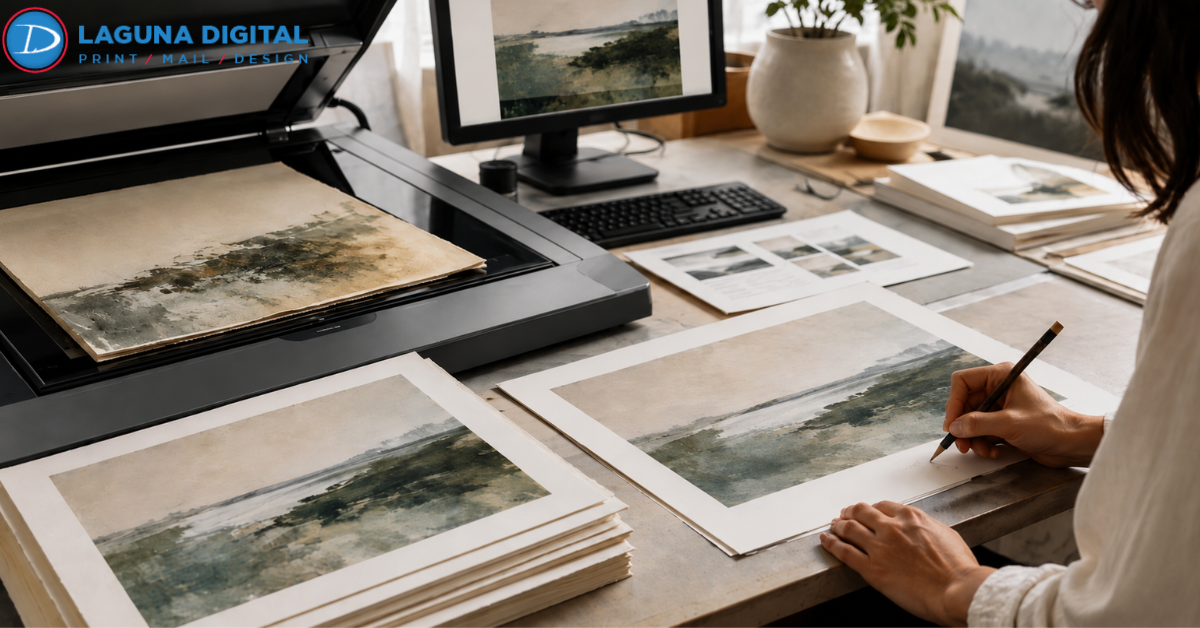
Professional fine artwork scanning is usually preferred for flat work because it records texture, edges, and subtle tonal shifts. Large or heavily textured pieces may need controlled photography instead. The goal is capture without glare, distortion, or uneven lighting.
Protect Fragile Originals
Some originals are too delicate for casual handling. Watercolor paper can buckle, old canvas can crack, and mixed media can lift if pressed too hard. An experienced studio treats the art as a valuable object first, which is a core part of fine art reproduction.
Review Size and Detail
Artists should decide whether the edition will match the original size or be scaled for buyers. Enlarging can reveal brush marks and paper grain, but it can also show flaws. Reducing size may create a polished look that is easier to frame.
Set Edition Goals
Edition planning should happen early. The artist decides the total number, sizes, paper type, and whether proofs will be included. Clear planning builds trust because the print is not open ended or casually reproduced later without structure.
Building the Master Digital File

High Resolution File Creation
A strong master file gives the artist flexibility for future output. The scan or photograph should contain enough resolution for the largest planned size, with clean edges and accurate cropping. This file becomes the foundation for digital art reproduction and should be stored safely.
Color Correction with Judgment
Color correction is not about making the image brighter for attention. It is about matching the original under reliable viewing conditions. A technician compares screen, proof, and artwork so the warmth of paper, depth of shadow, and character of pigment stay believable.
Remove Unwanted Marks
Small dust points, scanner specks, and accidental marks can be cleaned in editing software. The key is restraint. Natural brushwork, canvas texture, and intentional imperfections should stay visible. Good editing supports the work rather than making it look artificial.
Proof Before Production
A proof is a test print used to judge color, contrast, and surface choice before the full run. This step saves money and protects the edition. A small adjustment in warmth or density can make a major difference in real light.
Create a Repeatable Standard
Once the proof is approved, the studio records settings for color, paper, size, and printer profile. This standard helps future prints match the approved proof. It also supports consistency when artists return months later for authorized pieces.
Choose Printing Materials and Methods
Select Paper or Canvas
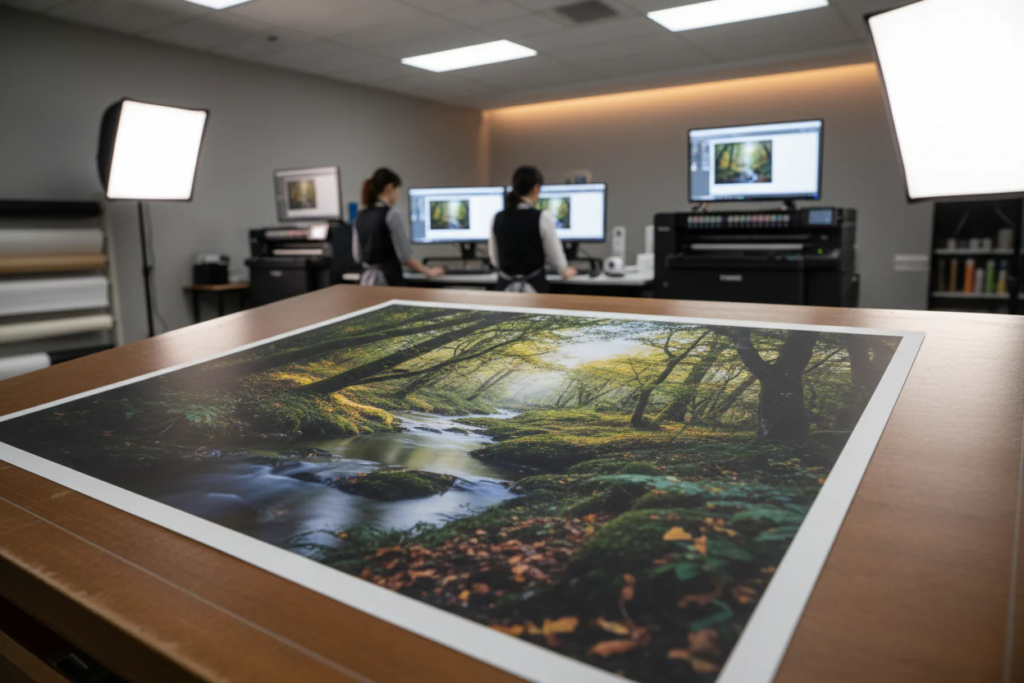
Paper choice affects the mood of the final work. Smooth cotton paper can suit detailed illustration, while textured rag paper can complement watercolor or charcoal. Canvas may work for painterly pieces. Fine art printing depends on matching the surface to the original.
Understand Pigment Ink
Pigment inks are valued for their color stability and rich tonal range. They sit well on professional papers and support long display life when handled correctly. This is one reason many artists choose giclee printing for serious collector editions and gallery presentations.
Match Finish to Artwork
Matte, satin, and textured finishes each change how a piece feels. A soft matte surface can create a calm gallery look, while a slight sheen can deepen color in photography based work. The finish should support the artwork rather than compete with it.
Make Archival Choices
Collectors care about longevity, so materials matter. Acid free papers, pigment inks, and proper storage all help protect value. When artists describe their work as archival prints, they should explain the paper, ink, and care conditions behind that claim.
Work with a Skilled Studio
Reliable art reproduction services bring calibrated equipment, experienced eyes, and practical advice. They can help artists avoid poor paper choices, weak blacks, dull color, or inconsistent output. A good studio also understands that each artwork has its own visual language.
Numbering, Signing, and Presentation
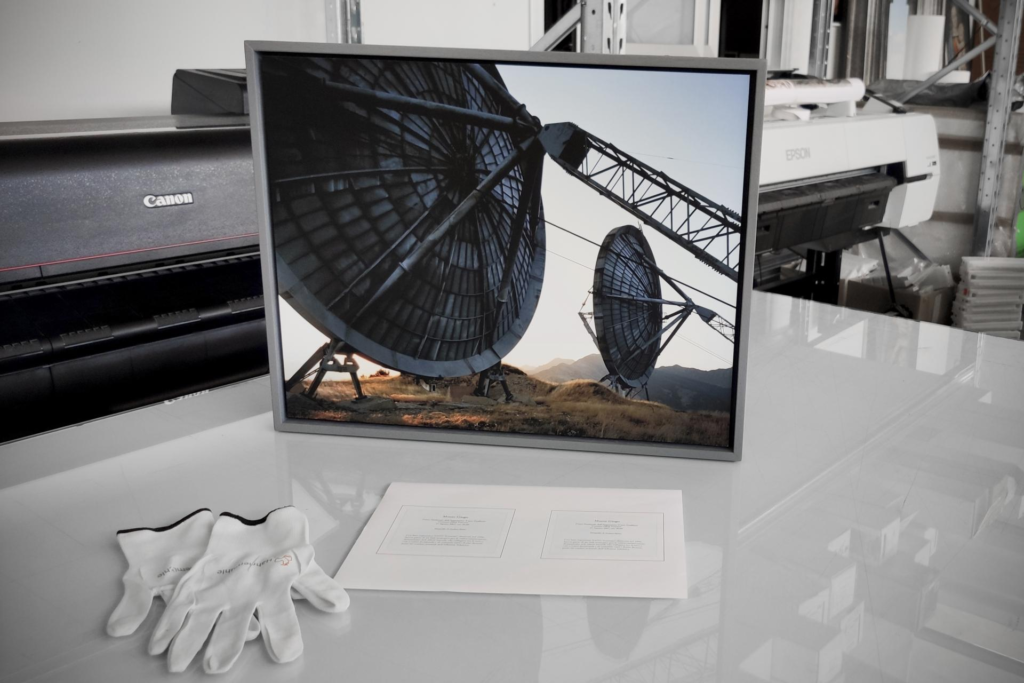
Decide the Edition Size: A smaller edition may feel more exclusive, while a larger edition can make the work more accessible. There is no single correct number. Artists should choose a size they can confidently support, then keep clear records so buyers know exactly what exists.
Sign and Numbering Correctly: Most artists sign the print in pencil near the lower edge, then write the edition number in a format such as 7 of 50. Consistency matters. The signature, paper, and certificate should all support the same professional story.
Add Certificates of Authenticity: A certificate can include the title, size, paper, edition number, artist name, date, and studio details. It gives collectors a clear record of the piece. For higher value editions, this document helps strengthen trust and resale clarity.
Package for Safe Delivery: Even a beautiful print can lose value through poor handling. Flat packaging, protective sleeves, tissue, rigid boards, and clean labels help prevent bends and scuffs. Rolled packaging can work for some sizes, but it should never damage the surface.
Present the Edition Online: Clear product photos, detailed views, paper information, and edition notes help buyers understand art prints before ordering. Artists should avoid vague claims and describe the process honestly. This makes fine art printing feel transparent and professional.
Quality Control and Long Term Value
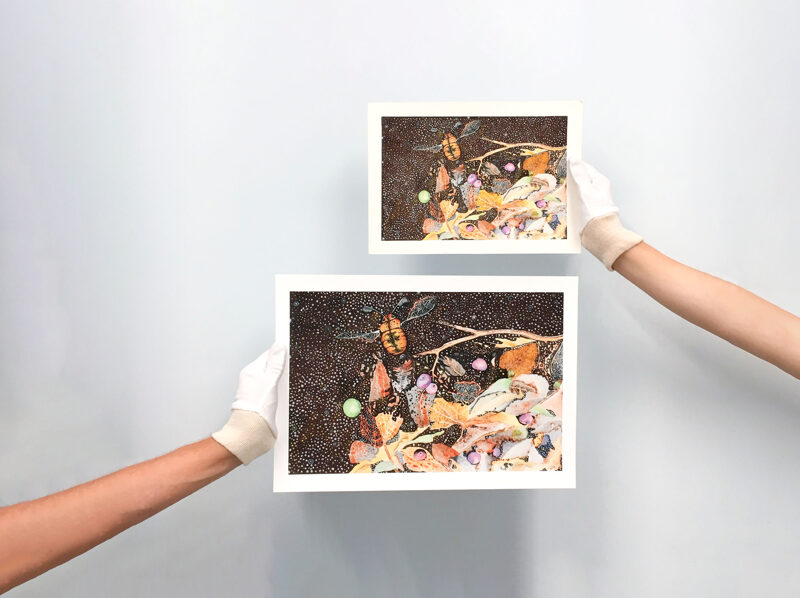
Compare Prints to the Original
A finished print should be checked beside the original when possible. Skin tones, shadows, paper whites, and saturated colors need careful review. This is where strong artwork scanning and proofing show their worth because the final result feels visually grounded.
Keep Edition Records
Artists should track buyer names, edition numbers, production dates, and any proof copies. Organized records prevent duplicate numbering and protect credibility. This habit is especially important when working with galleries or returning collectors.
Preserve the Master File
The final approved file should be backed up in more than one location. It should include print size, color profile, and notes from the proofing stage. This makes digital art reproduction more reliable when future authorized prints are requested.
Build Collector Confidence
Collectors respond to clarity. They want to know what they are buying, how many exist, and how the print was made. Transparent notes about materials, edition limits, and process help museum quality prints feel credible rather than like a sales phrase.
Know When to Ask for Help
Artists do not need to become print technicians to create strong editions. Professional guidance can prevent expensive mistakes, especially with paper selection, color balance, and final output. Trusted art reproduction services can turn a good scan into refined fine art reproduction.
Common Asking Questions
What makes a print edition limited?
A print edition is limited when the artist sets a fixed number and does not produce more after that number is complete. The value comes from clear records, consistent production, and honest communication with buyers.
Is a scanned print the same as the original?
No. A print is a reproduction, not the original artwork. A strong process can preserve color, texture, and detail very closely, but the original remains unique because it carries the artist’s direct hand and physical materials.
Why do artists use professional paper?
Professional paper affects color, texture, weight, and lifespan. Cheap paper can fade, yellow, or feel flat. Better materials help art prints look richer and support a stronger collector experience.
What is the benefit of pigment ink?
Pigment ink is widely used because it can produce deep color and long lasting results on suitable papers. It is one reason giclee printing is popular for editions that need accurate color and a professional finish.
How should collectors care for prints?
Collectors should keep prints away from direct sunlight, moisture, and rough handling. Framing with proper mats and UV protective glazing can help protect archival prints and keep the work looking clean over time.
To Sum Up
Turning scanned artwork into a collectible edition takes patience, skill, and respect for the original piece. From capture and proofing to paper choice and final presentation, each step shapes how buyers experience the work.
For artists who want museum quality prints without losing the personality of the original, a careful workflow and a trusted local partner like Laguna Digital can make the process clear and reliable.